Is Aquaphor safe while breastfeeding? We read the label
The Aquaphor label has no breastfeeding statement and no directions for nipples. Here is each ingredient, what the Truva app flags, and what is published nearby.
Answers for 6 life stages9 sources, all linked3 min read
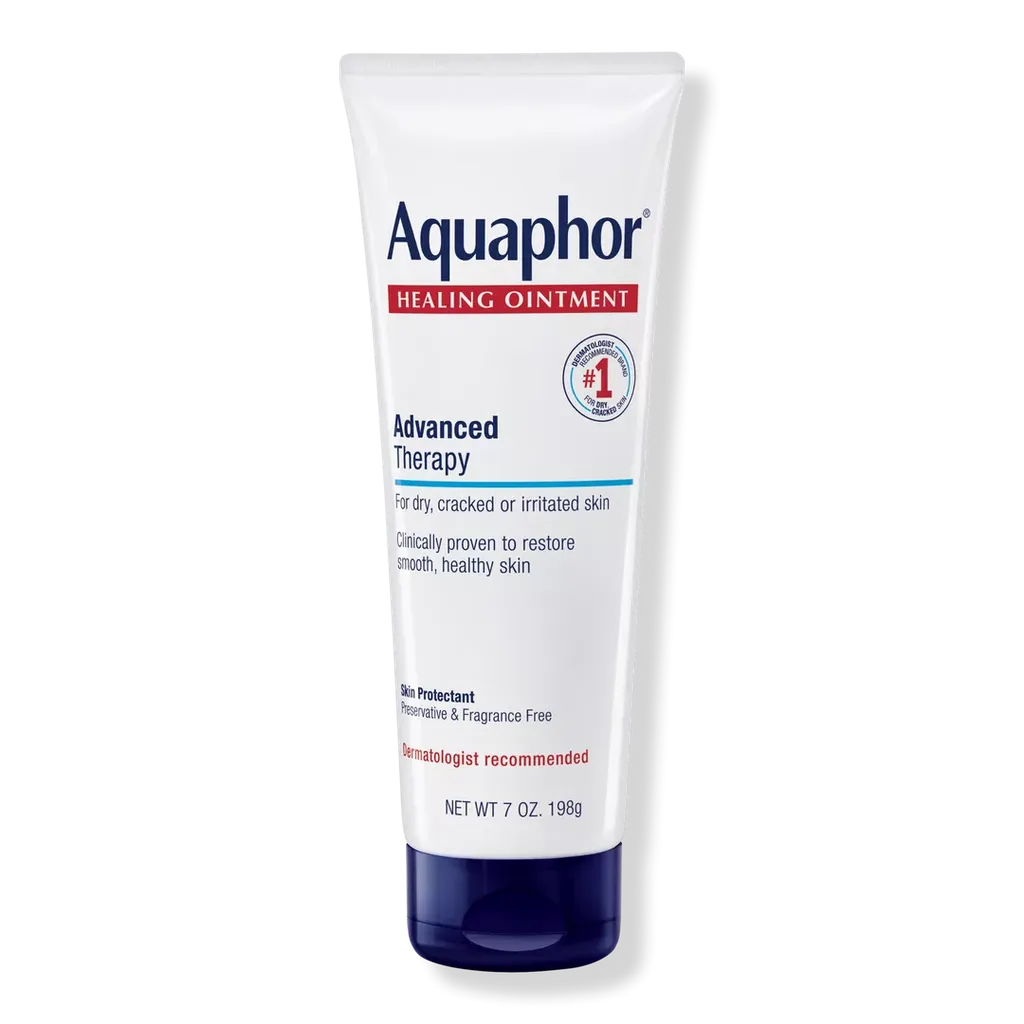
Aquaphor
Healing Ointment Tube
How we checked the label
We compared the ingredient list in Truva’s catalogue with the list the brand publishes on 12 October 2026. They match apart from these small differences, none of them a flagged ingredient:
- The label gives petrolatum (41 percent) as the active ingredient, then mineral oil, ceresin, lanolin alcohol, panthenol, glycerin and bisabolol. The catalogue copy lists the same seven in the same order.
- The catalogue writes mineral oil by its cosmetic name, Paraffinum Liquidum, and the label lists bisabolol's other name, levomenol, in its active data. Both map to the matching ingredient entry.
- The brand's own product page shows only the active ingredient and says its website list can differ from the pack; the full list comes from the brand's explainer page and the DailyMed label.
What is in Aquaphor Healing Ointment?
Aquaphor Healing Ointment has seven ingredients. Petrolatum is the only active one, at 41 percent of the ointment.
The label calls the tube a skin protectant ointment. It says it “temporarily protects and helps relieve chapped or cracked skin and lips.” The FDA lists petrolatum as a skin protectant at 30 to 100 percent, so 41 percent sits inside that range.
Six more ingredients follow, in this order: mineral oil, ceresin, lanolin alcohol, panthenol, glycerin and bisabolol. The brand lists them as additional ingredients. The label lists lanolin alcohol, not lanolin.
The AAD, the American dermatologists’ academy, lists glycerin, mineral oil and petrolatum among the ingredients to look for in a cream or ointment for dry skin. It also says ointments and creams add more moisture than lotions.
The brand says the ointment is free of fragrances, preservatives and dyes. It also says its website list can differ from the pack, so check the tube you have.
Is Aquaphor safe while pregnant, breastfeeding, postpartum, trying to conceive, or with PCOS?
Aquaphor gets no flags in the Truva app at any life stage. No body cited here has published a rule on petrolatum in pregnancy, postpartum if you are not breastfeeding, when trying to conceive, or with PCOS.
Each row below shows the app’s reading and what is published nearby. For every ingredient Truva rates for this stage, see the breastfeeding ingredient list.
Pregnancy
ACOG’s advice for itchy skin in pregnancy is a heavy moisturizer twice a day. It names no ingredient. The pregnancy ingredient list shows how Truva rates each one.
Breastfeeding
The label has no breastfeeding statement and no nipple directions. Breastfeeding doctors list lanolin as a common cause of nipple skin allergy. Aquaphor has lanolin alcohol, which they do not mention.
Postpartum, not breastfeeding
The AAD’s dry skin advice is for anyone. It lists petrolatum, mineral oil and glycerin among ingredients to look for.
Trying to conceive
Truva’s ratings at this stage are its own call about the weeks before a pregnancy is known. Our guide to skincare to stop before trying to conceive covers the stage.
PCOS
The app rates petrolatum and lanolin alcohol as low risk with PCOS, not as a flag.
Not pregnant or breastfeeding
The label says it helps relieve chapped or cracked skin and lips. The FDA lists petrolatum as a skin protectant.
Does Aquaphor help with sore or cracked nipples?
The Aquaphor label covers chapped or cracked skin and lips, and gives no directions for nipples. The NHS page on sore nipples names no cream or ointment.
The NHS puts latch first. It says the most common cause of nipple pain is a baby who does not latch on properly. It says to avoid soap, which can dry out your skin.
The Academy of Breastfeeding Medicine (the ABM) writes about nipple pain that does not go away. It lists creams used for nipple soreness among common causes of skin irritation there. It lists lanolin and fragrances among common causes of a skin allergy there.
Aquaphor lists lanolin alcohol, not lanolin. The ABM does not mention lanolin alcohol, petrolatum or mineral oil. The brand says the ointment has no fragrance.
One trial gave lanolin to 186 women with damaged nipples. At four days, their pain was no different from usual care, though more of them were satisfied with the treatment. The trial tested lanolin, not Aquaphor.
Who should I ask?
The label says to stop use and ask a doctor if your skin gets worse or lasts more than seven days. The same goes if it clears up and comes back within a few days.
If your nipples are cracked or bleeding, the NHS says to get help early. Cracks raise your risk of an infection in the nipple.
We could not open LactMed when we checked. So before using Aquaphor on your nipples, ask a pharmacist or lactation consultant. Take the tube with you, so they can read all seven ingredients. That is our suggestion, not a published rule.
Where this came from
Every health claim on this page links to the body that published it. Nothing here comes from another blog.
Show all 9 sources
- US National Library of Medicine (DailyMed), label submitted by Beiersdorf IncAquaphor Healing (petrolatum) ointmentThe drug facts label: petrolatum 41 percent active, six other ingredients, uses, warnings; no breastfeeding or pregnancy statement.
- Aquaphor (Beiersdorf), brand pageWhat Does Aquaphor Do and How Does it Work?The brand's own list of what is in Healing Ointment, and its statement that it is free of fragrances, preservatives and dyes.
- Aquaphor (Beiersdorf), brand pageAquaphor® Healing Ointment 14oz | Multi-PurposeThe active ingredient, and the brand's note that its website list can differ from the pack.
- US Food and Drug Administration (Electronic Code of Federal Regulations)21 CFR 347.10 Skin protectant active ingredientsThat petrolatum, mineral oil and lanolin are each listed as skin protectant active ingredients with a concentration range; 41 percent petrolatum sits inside the listed range.
- American Academy of DermatologyDermatologists' top tips for relieving dry skinThat the AAD lists glycerin, lanolin, mineral oil and petrolatum among ingredients to look for in an ointment for dry skin. General dry skin, not a life stage rule.
- American College of Obstetricians and GynecologistsSkin Conditions During PregnancyThat ACOG's tip for itchy skin in pregnancy is a heavy moisturizer twice a day; it names no ingredient and does not mention petrolatum.
- Academy of Breastfeeding MedicineABM Clinical Protocol #26: Persistent Pain with BreastfeedingThat lanolin is a common cause of skin allergy on the nipple. It says lanolin, not lanolin alcohol, and does not mention petrolatum or Aquaphor.
- NHS (Best Start in Life)Sore nipplesThat the NHS puts latch first and gives soothing tips without naming any cream or ointment.
- Maternal & Child Nutrition (peer reviewed randomized trial, 186 women, Hamilton, Ontario)Lanolin for the treatment of nipple pain in breastfeeding women: a randomized controlled trialThat lanolin on damaged nipples gave no difference in pain at four days against usual care, with more women satisfied. About lanolin, not Aquaphor.
Every link above was fetched and confirmed to resolve on .
Truva summarises published guidance from bodies including ACOG, the FDA, the EU SCCS and the Cosmetic Ingredient Review. It has no access to your medical history and it is not a substitute for your doctor, dermatologist or midwife. This post was written by the Truva team from the sources listed above. It has not been reviewed by a clinician, and nothing in it is a diagnosis or a prescription. If you are pregnant, breastfeeding or being treated for PCOS, take the ingredient list to the person looking after you.
The label in your hand, read against your situation.
Truva scans a product and answers for the profile you set: pregnancy, breastfeeding, postpartum, trying to conceive, PCOS, or general use. Every flag names the body it came from, so you can take it to a doctor or midwife rather than take it on trust.
Download on theApp Store